
Learn how to use social listening to understand your audience, uncover customer insights, and build stronger connections that lead to long-term trust.
Every business wants a deeper understanding of its customers. Surveys, focus groups, and formal research can provide valuable information, yet they often require time and resources that smaller businesses cannot spare. Fortunately, there is a faster and highly effective alternative: social listening.
Social listening involves observing and analyzing online conversations to learn what people think and feel about your brand, industry, or competitors. It allows you to step into your audience’s world and listen to their voices directly through comments, discussions, and shared opinions across digital platforms.
Understanding Social Listening
Social listening means monitoring online spaces where your audience naturally expresses opinions. This could include reading comments on social media posts, joining relevant online forums, following hashtags, or exploring reviews on video platforms. By paying attention to these organic conversations, you can discover real emotions, recurring challenges, and emerging trends that traditional research might overlook.
The power of social listening lies in its authenticity. When customers speak freely online, they reveal honest insights into what matters most to them. Collecting and analyzing this data allows you to recognize opportunities for improvement, spot new market gaps, and identify what makes your brand stand out.
What You Can Learn Through Social Listening
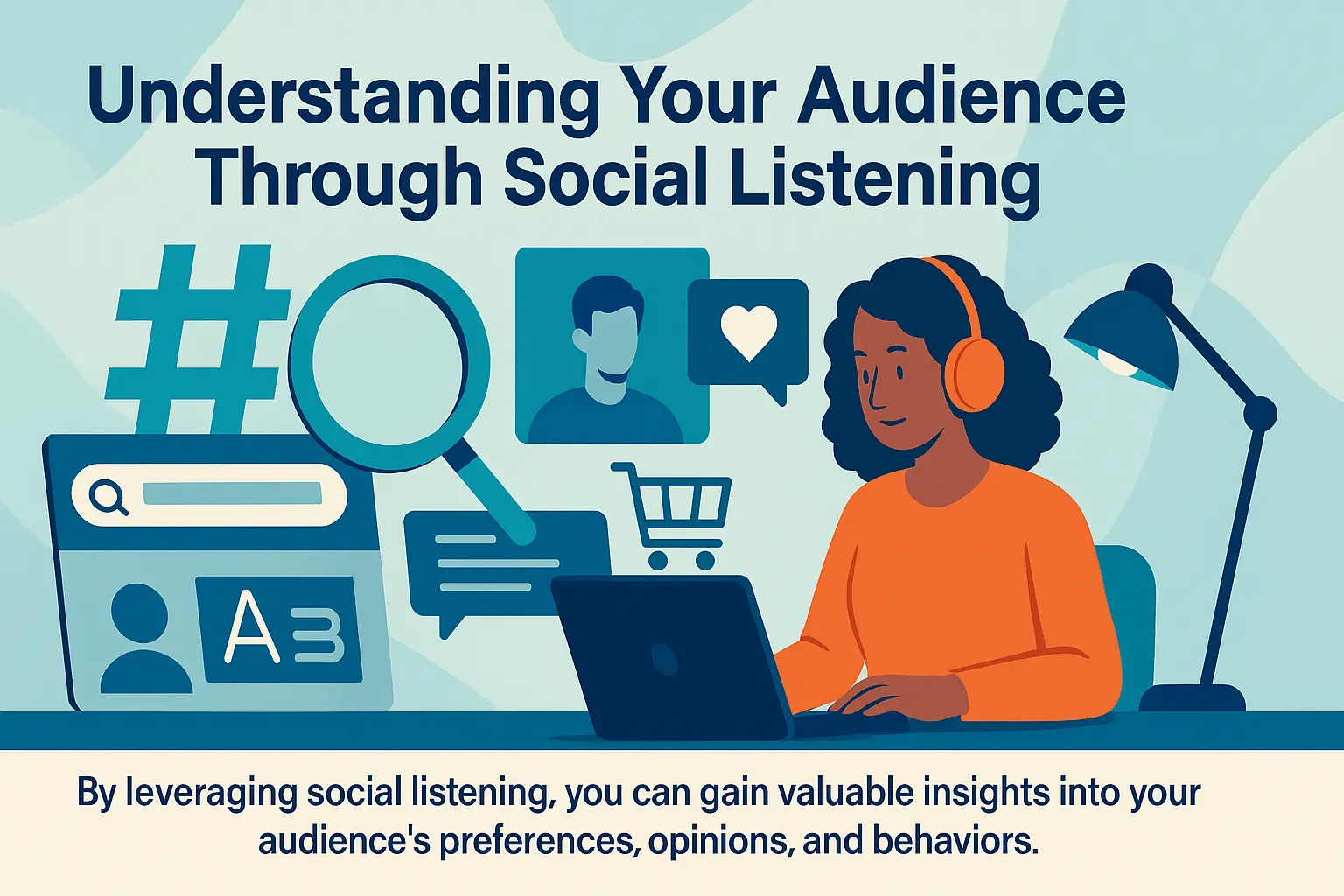
Effective social listening provides valuable information in several areas. You can discover how people feel toward your brand, identify what they appreciate most, and notice where improvements may be needed. Monitoring feedback helps you strengthen positive perceptions and address any concerns before they grow.
You can also observe what people say about your competitors. If you notice recurring dissatisfaction or unmet needs, these areas represent potential opportunities for your brand. Beyond brand perception, social listening uncovers your audience’s interests, habits, and pain points. This insight can guide product development, content creation, and audience targeting.
A practical way to organize what you learn is to create a simple document or spreadsheet where you record common themes and repeated words. Over time, clear patterns will emerge that help you refine your communication and marketing strategies.
Begin with a Clear Goal
Like any business strategy, social listening works best when guided by a clear purpose. Start by identifying what you want to learn. Your goal might be to uncover your audience’s main frustrations, explore how your competitors are perceived, or fill gaps in your existing customer profile.
When you know your goal, it becomes easier to select the right keywords, platforms, and sources to monitor. For instance, if you aim to learn more about customer pain points, focus on social media discussions or forums where people share experiences and challenges. If competitor research is your goal, track mentions of competing brands and analyze how audiences describe their experiences.
What to Listen For
Keywords form the foundation of effective social listening. Begin by making a list of key terms connected to your business. Include your brand name, product names, and any phrases that describe your industry. Add competitor names, social media handles, and relevant URLs to expand your search.
Once you have your list, use it to explore search engines, social media platforms, and online communities. Save active discussion sources or individuals who regularly post relevant content. Over time, these become reliable places to gather ongoing insights.
The goal is to develop a comprehensive picture of your audience’s digital conversation landscape. Each comment, review, or post contributes a small piece of that picture.
Automating the Listening Process
While manual searching can provide meaningful insights, automation makes the process scalable. Several tools can help streamline this task, including Hootsuite, Sprout Social, HubSpot, and Mention. These platforms track mentions, hashtags, and keywords across multiple channels, helping you collect large amounts of data efficiently.
Automation does not replace analysis, but it gives you more time to focus on interpreting what the data means. The true value of social listening comes from understanding the emotions behind the comments and using that knowledge to shape your strategy.
Turning Insights into Action
Social listening is most effective when insights lead to meaningful action. Use what you learn to guide how you communicate with customers, improve services, or develop new products.
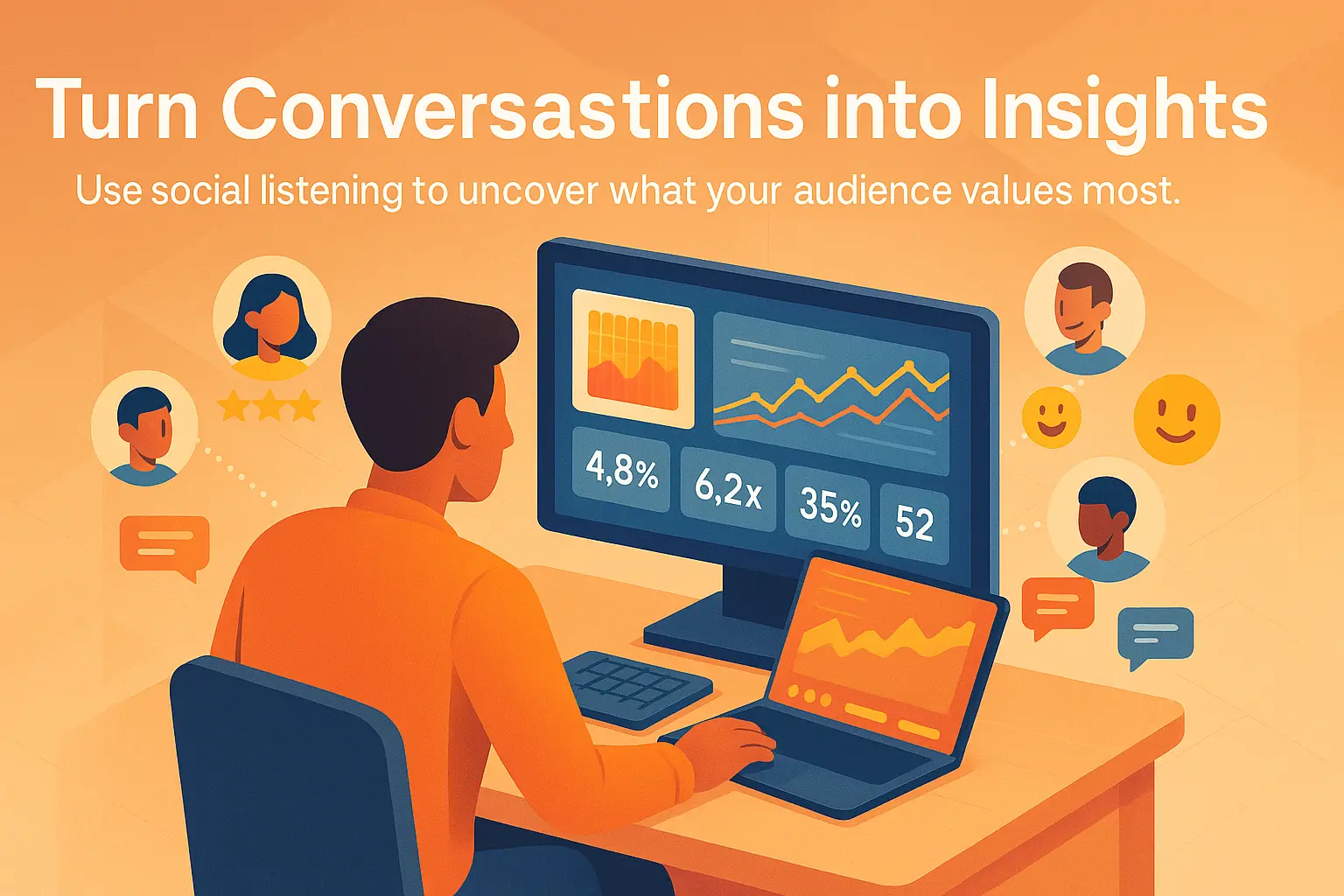
For example, if you notice customers consistently praising a specific product feature, highlight that strength in your marketing. If many express confusion about something, create educational content that clarifies the issue. When people see that their opinions influence change, they feel heard—and that builds lasting trust.
Social listening also strengthens your Know, Like, Trust strategy. Knowing what your audience values helps you communicate in ways that resonate emotionally, increasing likability and credibility.
Learn more…
How to Get Your Audience to Know, Like, and Trust You for Strong Relationships and Consistent Sales Growth
Ready to grow a loyal audience that connects with your brand?
How to Get Your Audience to Know, Like, and Trust You is a friendly, practical course that guides you through real-world steps to build genuine relationships, boost engagement, and earn lasting customer trust that leads to consistent sales.