Emotional Intelligence – Your Secret Weapon for Building Audience Trust

Discover how emotional intelligence in marketing helps brands build lasting audience trust through empathy, awareness, and authentic connection.


Trust is one of the most powerful currencies in business today. Every brand wants loyal customers who keep coming back, but trust doesn’t appear overnight, but through consistent, emotionally intelligent interactions. While many marketers focus on strategy or automation, the real secret to long-term loyalty is understanding people at a human level.

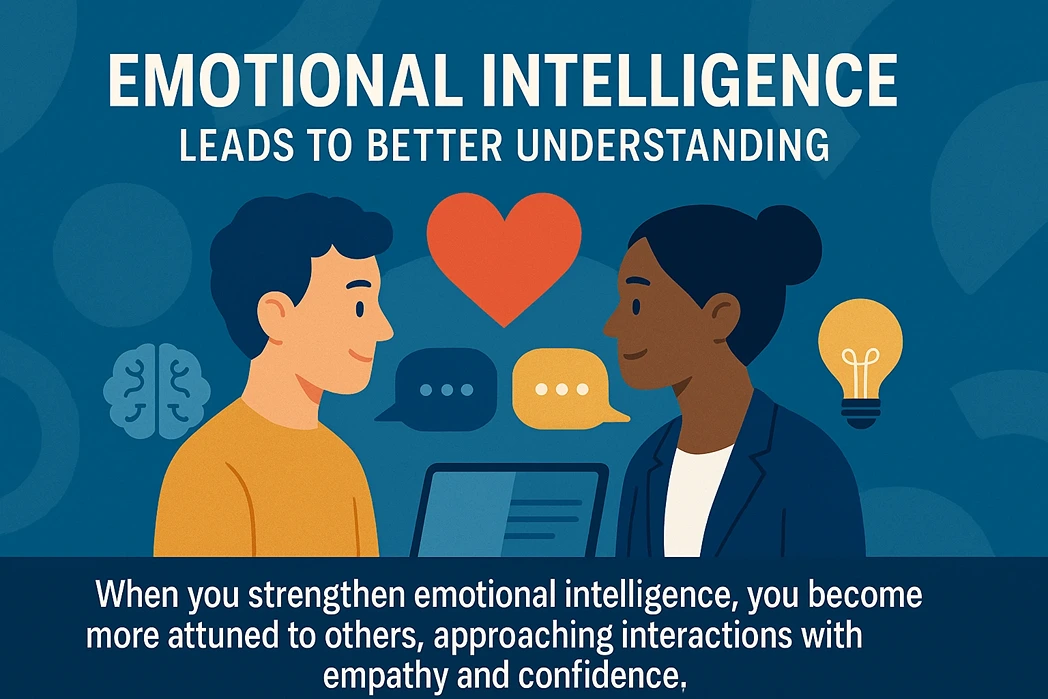
That’s where emotional intelligence, or EQ, comes in. Emotional intelligence is the ability to recognize, understand, and manage both your own emotions and those of others. In marketing, EQ shapes how you communicate, resolve conflict, and connect with your audience. When you can genuinely understand your customers’ feelings, you create marketing that resonates rather than just sells.

What Is Emotional Intelligence in Marketing?

Emotional intelligence in marketing means applying empathy, awareness, and authenticity to every customer interaction, recognizing them and responding in ways that make people feel valued.

For example, a brand that listens carefully to customer feedback and adjusts its messaging shows emotional maturity. The audience sees that the brand “gets” them. This emotional understanding is what transforms occasional buyers into long-term supporters.

The foundation of EQ includes self-awareness, self-regulation, motivation, empathy, and social skills. Together, these traits help you make better decisions and communicate in a way that builds trust and credibility.

Assessing Your Own Emotional Intelligence

The first step to becoming a more emotionally intelligent marketer is to understand your current level of EQ. You can do this by taking an emotional intelligence assessment. These tests measure how well you understand and manage emotions in yourself and others.

You’ll find reliable assessments from trusted sources such as Psychology Today and Mind Tools. Even a simple online test can help you identify your strengths and highlight areas for improvement, such as empathy, self-control, or active listening. This awareness gives you a clearer sense of where to focus your growth.

Strengthening Self-Awareness and Emotional Control

Improving emotional intelligence starts with self-awareness. This means understanding your thoughts, behaviors, and emotional triggers. When you recognize how your emotions influence your actions, you gain better control, especially in stressful or high-pressure moments.

For instance, if a customer leaves a negative review, self-awareness helps you pause before reacting defensively. Instead, you can respond calmly, acknowledging the issue and offering to make things right. This turns a potential loss into a demonstration of empathy and professionalism.

Simple habits can help build self-awareness:

  • Keep a brief daily journal to reflect on interactions and how they made you feel.
  • Ask colleagues or mentors for honest feedback.
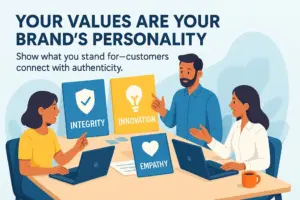
  • Identify your values and what motivates your behavior.
  • Practise mindfulness or meditation to stay present and composed.

These practices strengthen your emotional steadiness and make you a more authentic communicator, something customers naturally trust.

Practising Empathy to Build Audience Connection

Empathy is at the heart of emotional intelligence and one of the most effective ways to build audience trust. Essentially, empathy is about truly understanding your customers’ perspectives and showing them that you care.

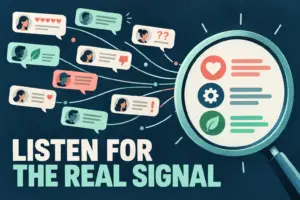
In marketing, empathy means listening before speaking. Whether it’s through surveys, comment sections, or social media interactions, pay attention to what people are saying and how they’re feeling. Active listening, a technique where you summarise or reflect back what someone has said, shows customers you’ve heard them.

For example, if multiple customers mention confusion about a product feature, acknowledging it and creating a clear guide or video tutorial shows responsiveness and understanding. This not only solves a problem but deepens emotional connection.

Understanding Your Audience on a Deeper Level

To market effectively, you must go beyond basic demographics and uncover what drives your audience emotionally. What are their frustrations? What goals or fears motivate their choices? What values guide their decisions?

Use research, interviews, or social listening to explore these questions. As you gather insights, you’ll begin to see patterns, shared hopes, recurring concerns, and common language. When your brand messaging reflects these emotional truths, customers feel understood and are more likely to engage and trust your business.

This deeper emotional connection becomes a long-term advantage. It’s the difference between customers who buy once and those who stay loyal for years.

The Payoff: Emotional Intelligence Creates Lasting Trust

High emotional intelligence allows you to connect with people, not just profiles. You respond thoughtfully, communicate clearly, and build a reputation for care and integrity. Over time, these interactions compound, customers begin to associate your brand with reliability, empathy, and authenticity.

That emotional foundation is the essence of audience trust. People don’t stay loyal because of one clever campaign; they stay because your brand consistently makes them feel understood and valued.


Learn more…

How to Get Your Audience to Know, Like, and Trust You for Strong Relationships and Consistent Sales Growth

Ready to grow a loyal audience that connects with your brand?

How to Get Your Audience to Know, Like, and Trust You is a friendly, practical course that guides you through real-world steps to build genuine relationships, boost engagement, and earn lasting customer trust that leads to consistent sales.

Know, Like & Trust Course